

Antique Frames
Read the guideSave search

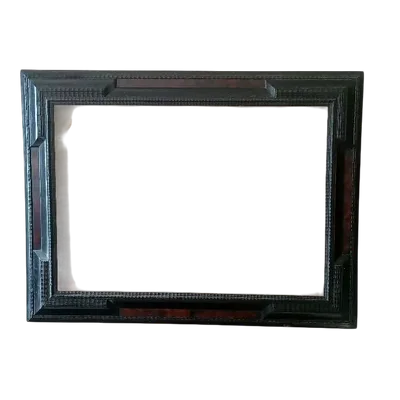
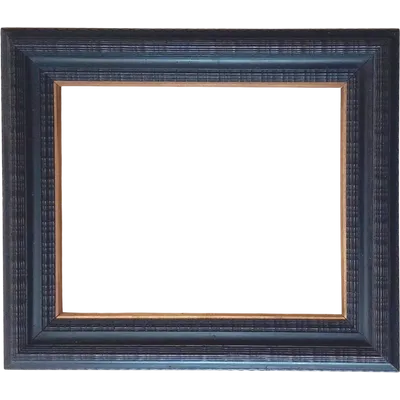
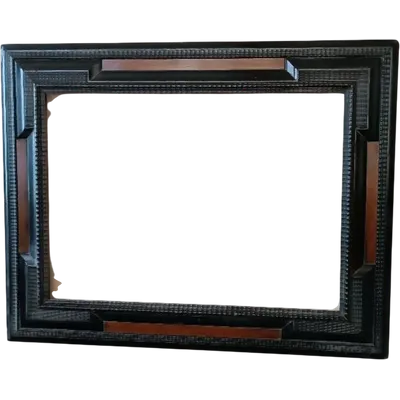
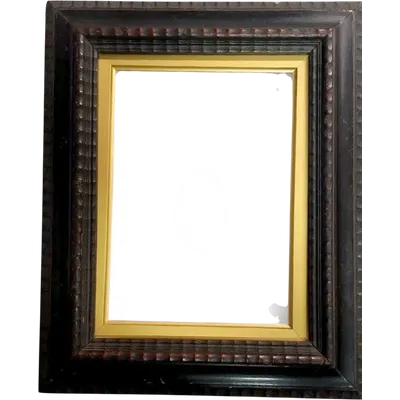
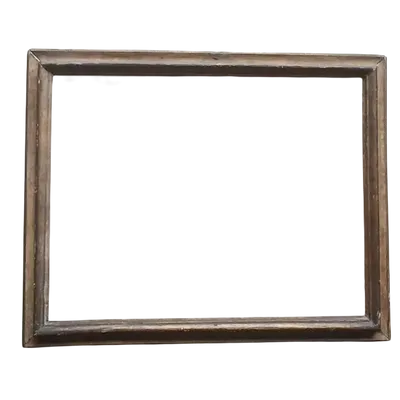
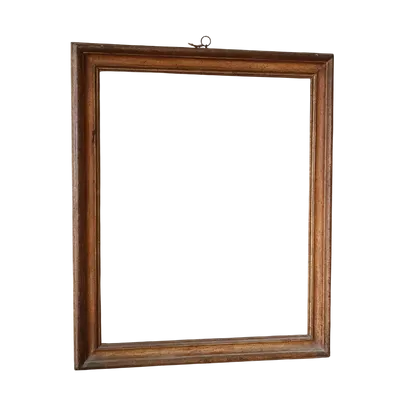
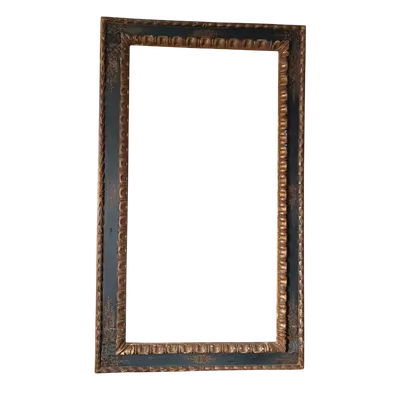
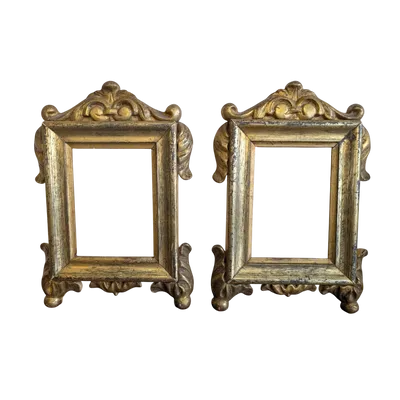
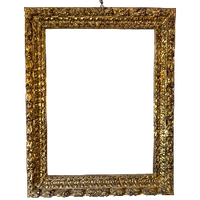
Antique Frames
Origin and function of antique frames
Antique frames were born as functional objects, but they were never merely decorative borders. They served to protect, support and visually separate a painting, print, sacred image or mirror from its surrounding environment. In this sense, they belong to the world of Decor, and more precisely to Decorative furnishings, because they help shape an interior space as much as a console, mirror frame or decorative panel.
Historically, the frame also had a hierarchical function. A large gilt frame could signal importance, patronage, taste and wealth. A more restrained frame, in dark or ebonised wood, could instead accompany portraits, prints or paintings intended for less formal interiors. Observing a frame therefore means reading not only an object, but also the way an image was meant to be seen.
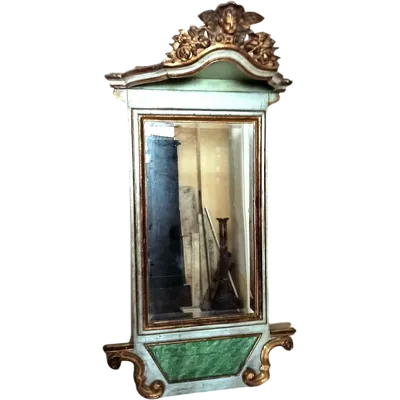
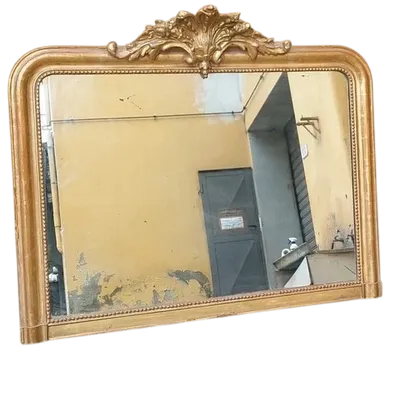
In the case of picture frames, the inner rabbet, meaning the part that receives the artwork, is a fundamental element. In mirror frames, on the other hand, the depth and relationship with the glass often change. This is why antique frames are close to Mirrors and mirror frames, but they do not always coincide with them: a mirror frame is conceived as a complete object, while a frame can be autonomous, reused or adapted over time.
The main types of antique frames
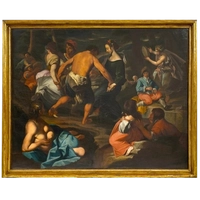
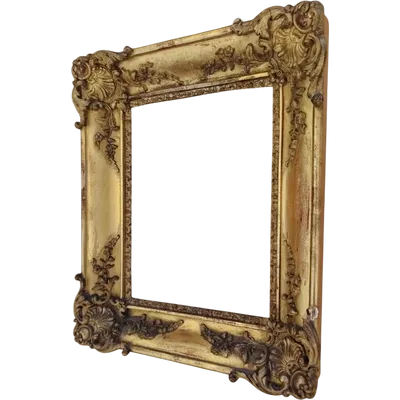
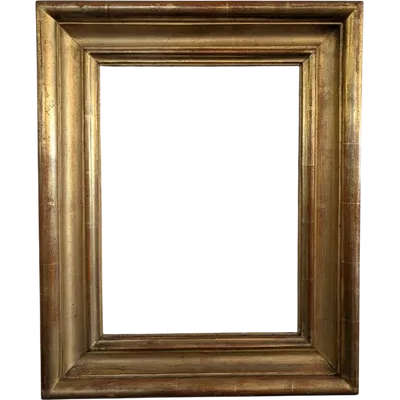
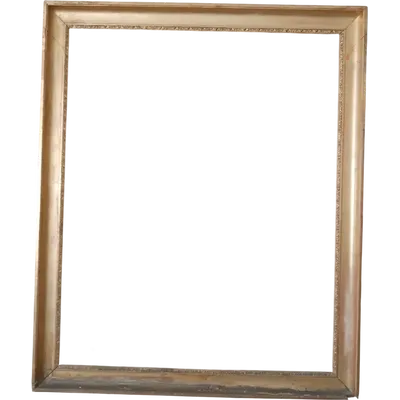
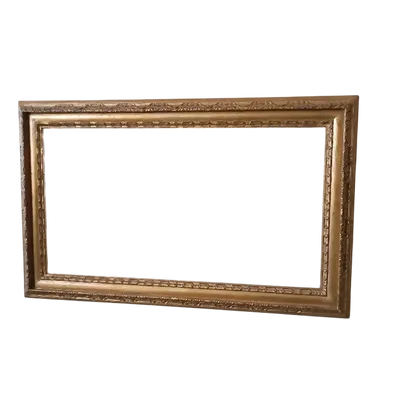
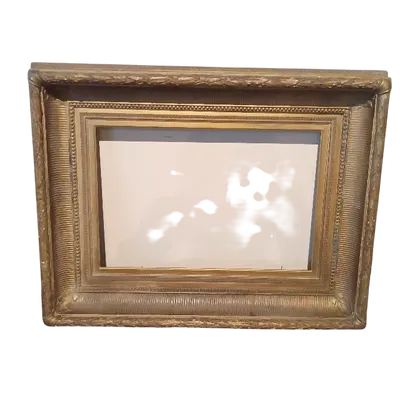
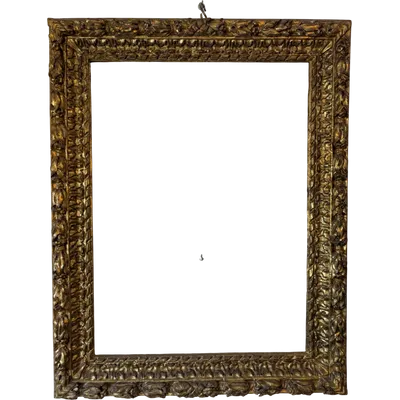
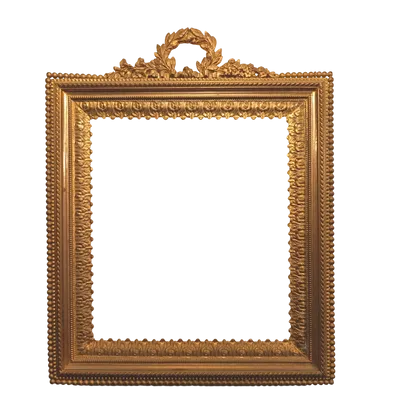
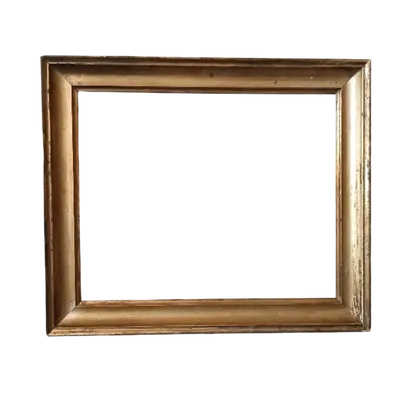
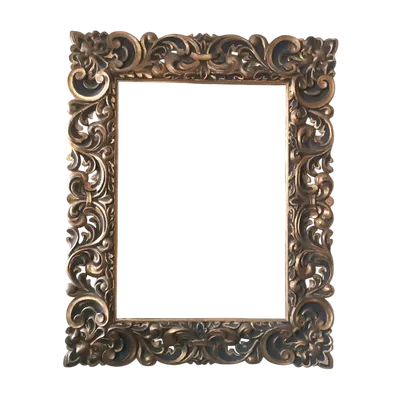
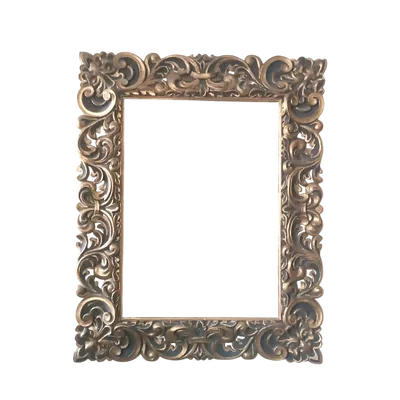
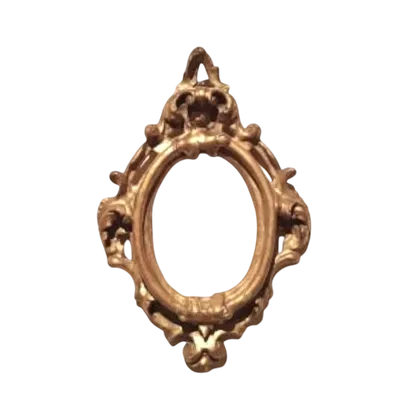
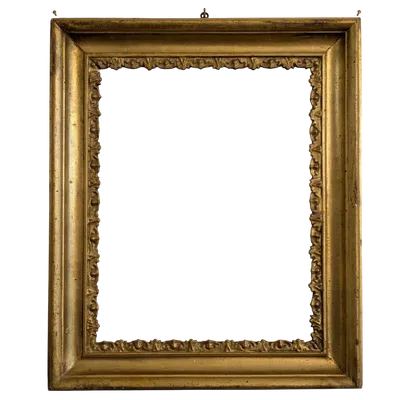
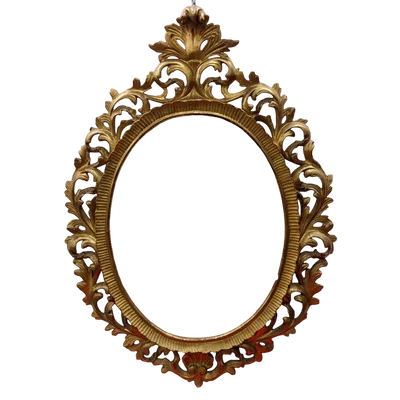
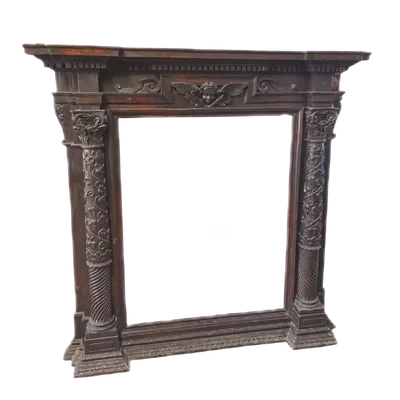
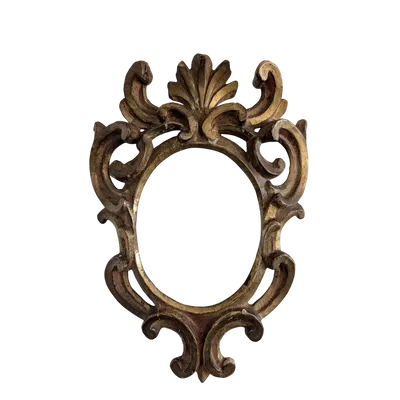
Among the most significant types are gilt picture frames, often made of carved wood prepared with gesso and bole. They are the frames most closely associated with old master paintings, especially between the 17th century, 18th century and 19th century. They may be rich, with scrolls, acanthus leaves, cartouches and shells, or more linear, with layered mouldings.
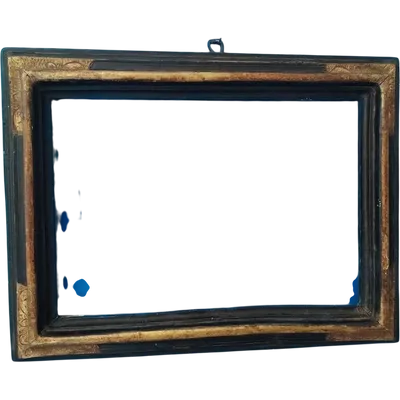
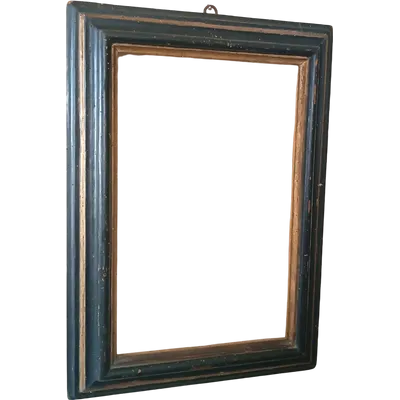
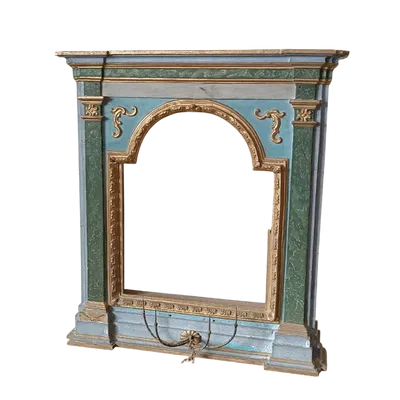
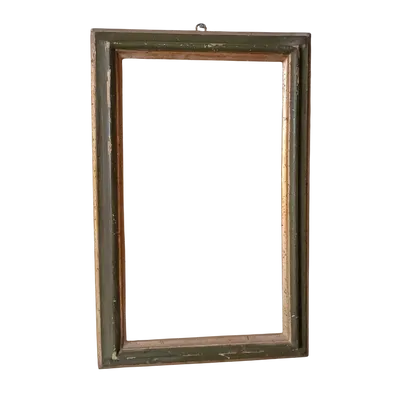
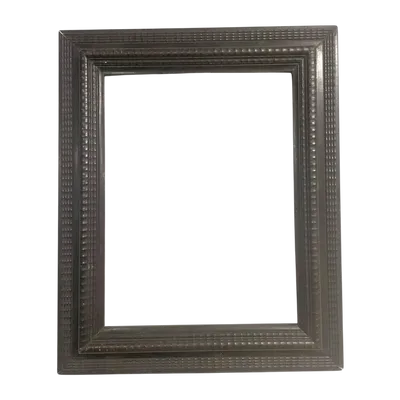
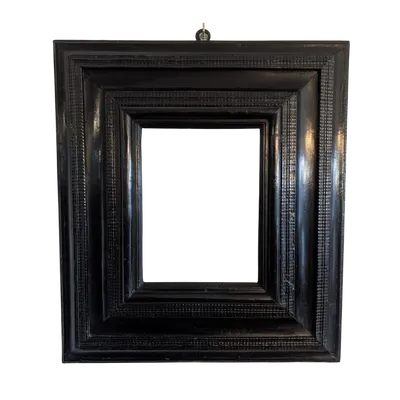
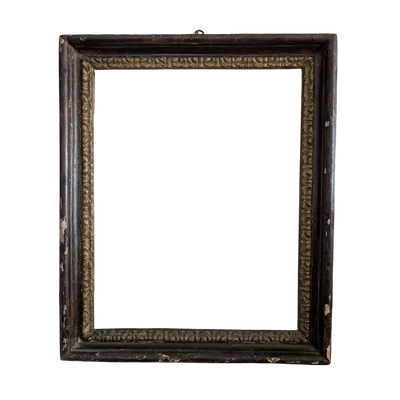
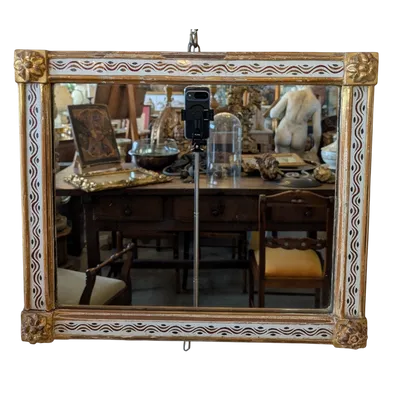
Another important family is that of lacquered or painted frames, often less showy but very interesting from a decorative point of view. They may have black, red, green or ivory grounds, sometimes with gilt profiles. These frames are suitable for prints, drawings, small oils or devotional images.
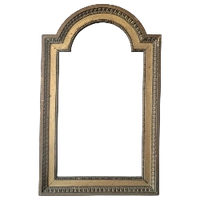
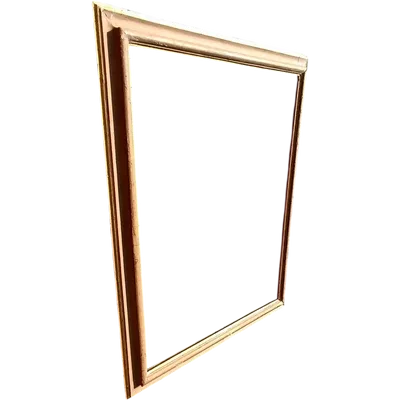
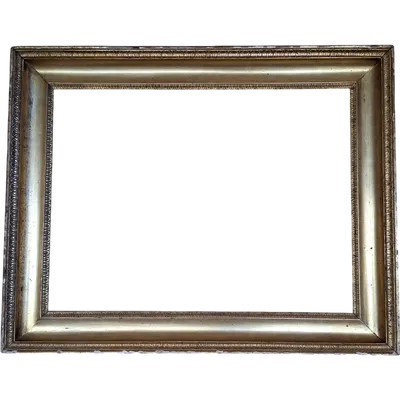
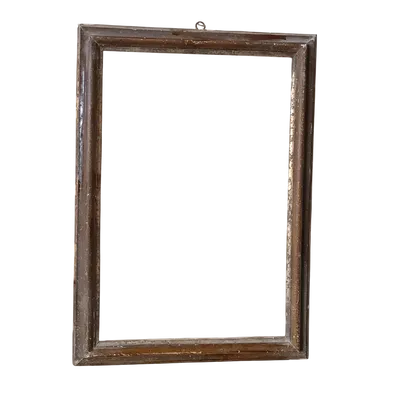
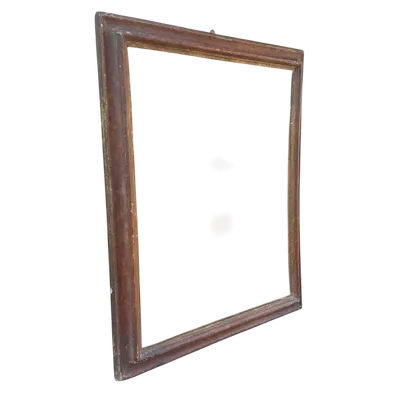
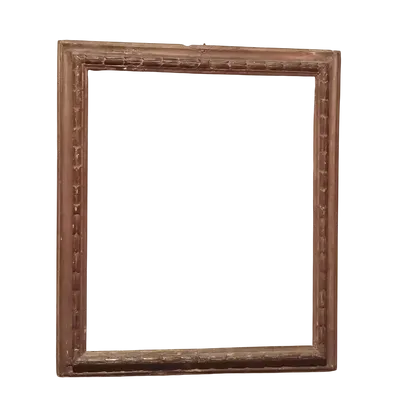
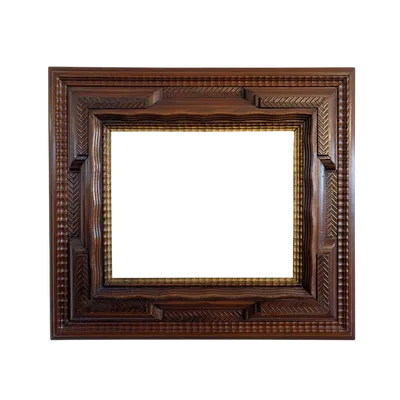
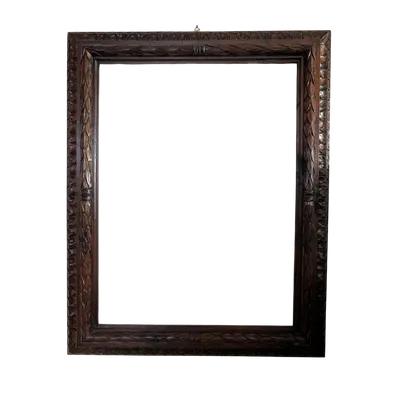
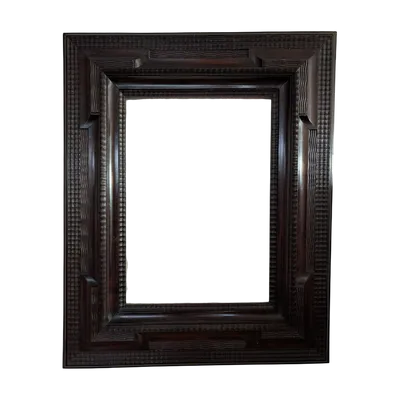
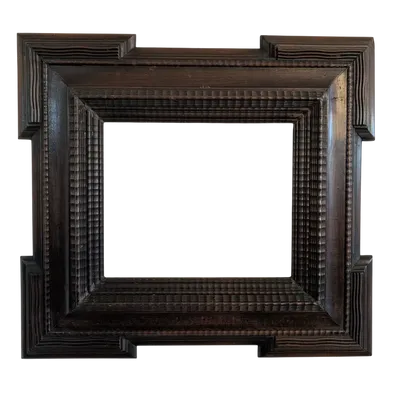
There are also cassetta frames, simpler and deeper, with a clear and geometric profile. Some versions are sober and almost architectural; others feature gilt fillets, ebonised inserts or light mouldings. This type is useful to know because it is often confused with later frames or reproductions: the difference lies in the quality of the wood, the wear on the back, the consistency of the finish and the way the corners are assembled.
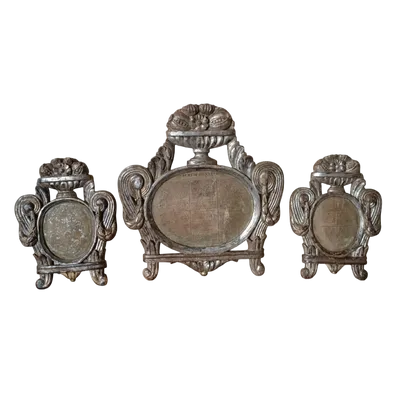
Finally, there are frames made for photographs, miniatures, prints or small devotional objects. In these cases, value does not depend only on decorative richness, but on the fineness of the workmanship, the rarity of the size and the condition of the surface.
Styles and the most recognisable forms
Antique frames closely follow the evolution of furnishing styles. Frames in the Renaissance taste often have an architectural structure, ordered profiles, articulated mouldings and a certain compositional severity. These are frames in which design matters more than a sense of movement.
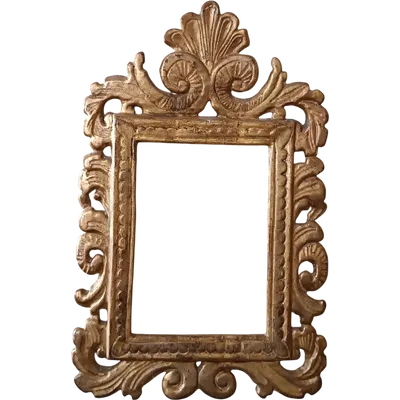
With Louis XIV Baroque, the frame becomes more theatrical: scrolls, leaves, cartouches and rich gilding create an important border, designed to enhance the painting and place it within representative interiors. In the Louis XV Rococo style, forms become lighter and more animated, asymmetrical and fluid, with freer curves and counter-curves.
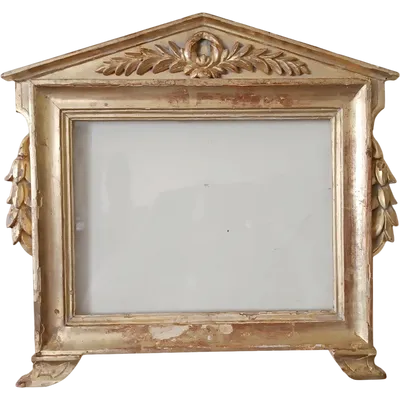
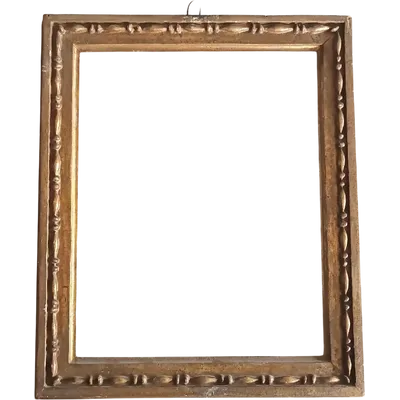
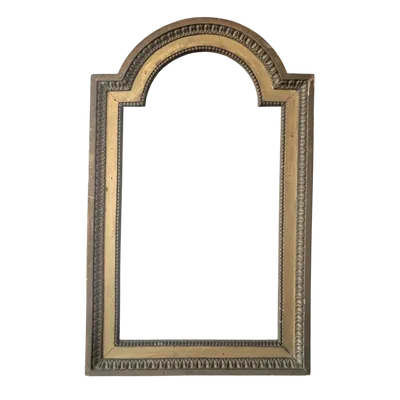
The Louis XVI style brings back order and symmetry: beading, ribbons, egg-and-dart motifs, stylised leaves and more controlled profiles appear. Frames in the Empire and Consulate taste may instead feature classical motifs, palmettes, eagles, rosettes and a more solemn structure.
Between the late 19th and early 20th century, Art Nouveau frames introduced vegetal lines and softer profiles, while Art Deco tends toward geometry, cleaner surfaces and stylised decoration. It is not necessary to recognise every style at first glance, but it is useful to understand whether form, ornament and surface tell the same period story or seem assembled in an incoherent way.
Typical materials and surfaces
The most common material is wood, often poplar, walnut, limewood or other woods suitable for carving and preparation. In gilt frames, the wood is covered with layers of gesso and animal glue, then finished with bole, a red, yellow or black clay ground that prepares the surface for gilding.
Gilding may be water gilding, more precious and brilliant, or oil gilding, a faster technique that often has less depth in its effect. Water gilding allows burnished glossy areas to alternate with matte zones, creating a highly refined contrast. Oil gilding, by contrast, tends to have a more uniform surface.
Many frames are not entirely carved: some decorative parts may be in composition ornament, meaning a moulded or stamped mixture applied to the wooden support. This is not a defect in itself. It is important, however, to understand whether the composition ornament is original, whether it has been integrated, and whether the integrations are well connected to the old surface.
Other frequent finishes include lacquer, mecca gilding, silver leaf with golden varnish, ebonising and decorative painting. An antique surface should not appear perfectly uniform: small losses, oxidation, craquelure, abrasions and tonal variations are often part of the object’s history.
Proportions, sight size and relationship with the artwork
An antique frame should also be assessed in terms of proportion. A frame that is too heavy can overwhelm a small painting; one that is too thin may appear weak on an important work. The relationship between sight size, frame width and rabbet depth is decisive.
The “sight size” is the visible opening of the frame, meaning the space through which the artwork is seen. The outer measurement, instead, includes the full overall size. Anyone buying a frame for reuse should always check both, because a few millimetres can make the difference between correct mounting and a forced adaptation.
Depth also matters. Some paintings on stretchers require a deeper rabbet, while prints and thin panels can be mounted in shallower frames. If the back shows cuts, raised sections, modern strips or recent nails, the frame may have been adapted to a work different from the original one.
Gilding, bole and mecca: what to really observe
In gilt antique frames, the surface tells a great deal. The most projecting parts tend to wear first, revealing the bole underneath. This natural wear is different from artificial patination: in authentic wear, abrasions follow points of contact, edges, the highest parts of the carving and the most exposed areas.
Red bole beneath gold leaf gives warmth to the gilding; yellow bole produces a lighter effect; dark bole can make the surface appear deeper. In mecca-gilded frames, instead, one should observe whether the varnish has shifted toward orange or brown tones. Antique mecca can be very beautiful, but it should be distinguished from a recent regilding that is too bright or flat.
Regilding is not rare. The issue is not regilding in itself, but its quality and extent. A modern gilding that completely covers craquelure, losses and historical variations can impoverish the reading of the object. By contrast, a light and well-integrated restoration can make the frame more stable without erasing its history.
Corners, joints and the back of the frame
The back is often more honest than the front. Looking at an antique frame from the back, one can read cuts, nails, joints, reinforcements, old hanging holes and traces of previous mountings. The corners are critical points: cracks, openings, fills or replacements indicate structural stress or past interventions.
Antique frames often show 45-degree joins, with reinforcements, pegs or nails. One should not expect industrial precision, but neither should serious deformation be accepted without assessing its consequences. A slightly moved corner may be normal; an open and unstable corner requires intervention.
Also check for woodworm. Small old holes are not necessarily a problem if the wood is stable and there is no recent activity. Pale dust, friability and soft areas are instead warning signs. The frame must be able to support its own weight and that of the artwork or mirror it holds.
Geographic origins and regional variants
Frames produced in Italy show great regional variety. In Tuscany, for example, one finds architectural, gilt or lacquered frames, often with a balance between ornament and structure. In Venice, more decorative surfaces, lacquers, lively gilding and profiles connected to the lagoon taste may appear.
Frames from the Rome area may have a solemn character, with classical references and a strong presence of gilding. In Naples, especially between the 18th and 19th centuries, one finds rich, animated and sometimes theatrical examples, connected to a very lively decorative culture.
France also produced frames that are fundamental to the history of European taste, especially during the Louis XIV, Louis XV and Louis XVI periods.
How to choose an antique frame for a contemporary interior
In a contemporary interior, an antique frame works best when chosen with restraint. It does not necessarily have to “match” everything, but it should have a credible relationship with the artwork, the wall and the other elements present. A very rich gilt frame can also work well in a minimal interior, provided it has visual space around it and is not surrounded by too many competing objects.
From a practical point of view, it is useful to start with three questions: what it needs to contain, where it will be placed and how much decorative presence the room can support. An important frame can enhance an old painting, but it can also create an interesting contrast with a photograph or modern work. In that case, however, the mounting must be sober and precise.
Frames can work well with other decorative objects, but it is useful to avoid random accumulation. If the same space includes Decorative shelves, Vases, cups and amphorae, Carpets and tapestries or Plant stands and columns, the frame should contribute to the overall balance, not add noise. More specific objects such as Planters and jardinières, Umbrella stands and coat racks or Andirons and fireplace accessories can also coexist with an antique frame, if the guiding thread is material, tone or surface quality.
Authenticity and value
The value of an antique frame comes from the combination of age, quality, rarity, size, state of conservation and stylistic consistency. A well-preserved frame from the 16th century is naturally rare, but even a 20th century frame, if well designed and connected to a recognisable taste, can be of interest.
Authenticity is not assessed from a single detail. Beautiful gilding is not enough, just as a dark patina does not guarantee age. One must observe the whole: wooden structure, back, joints, surface, wear on the high points, quality of the ornament and compatibility between form and stated period.
The most appreciated frames are often those that preserve a good percentage of their original surface, with limited and legible restorations. Large sizes, rare forms and high-quality carving have a strong influence on value. Documented provenance can also be important, especially when it connects the frame to a collection, an artwork or a precise historical context.
For a non-expert buyer, the best approach is to look slowly. First the overall impression, then the corners, then the back, then the surface. A convincing antique frame does not have to be perfect: it has to be coherent. Its beauty often lies precisely in the relationship between form, material, signs of time and quality of workmanship.
Frequently asked questions
What are antique frames?
They are frames made in past periods to hold paintings, mirrors, prints or devotional images. Their value depends on age, carving quality, gilding, state of conservation and consistency with the original work or function.
How is the authenticity of an antique frame assessed?
Structure, joints, gilding, patina, wear and signs of hand workmanship should be observed. An authentic frame often shows coherent irregularities, natural oxidation and restorations compatible with its age.
Which materials are most often found in antique frames?
Antique frames are often made of carved wood, gilt wood, composition ornament, gesso, stucco, mecca gilding or lacquer. Simpler models may feature visible wood, ebonised finishes or painted surfaces.
Does a restored frame lose value?
Not necessarily: small conservative restorations are common and often acceptable. Value decreases when integrations are extensive, poorly legible or alter the proportions, gilding and original character.
What is the difference between a gilt frame and a mecca-gilded frame?
Traditional gilding uses gold leaf or similar metals applied over bole and preparation layers; mecca is a golden or amber varnish applied over metal leaf, often silver or tin, to imitate gold.
How can you recognise an antique frame from a reproduction?
A reproduction tends to have more uniform decoration, artificial patina and modern materials. In antique frames, the back, joints, losses, oxidation and layering of the surfaces are especially important.
Can antique frames be used with modern artworks?
Yes, provided that proportions, depth and decorative tone are balanced. An antique frame can work with contemporary art if it does not overpower the image and if the mounting is technically correct.
Which periods are most sought after for antique frames?
Frames from the 17th to the 19th century are highly appreciated, especially when they preserve old gilding and good carving quality. Some Art Nouveau, Art Deco or 20th-century-style frames can also have collecting interest.
What should you check before buying an antique frame?
You should check the corners, back, inner rabbet, gilding, possible woodworm, cracks, replacements and compatibility between the frame’s dimensions and the artwork. It is useful to distinguish natural wear, acceptable restorations and heavy alterations.