

Decorative Antiques
Read the guideSave search








Decorative Antiques
Introduction
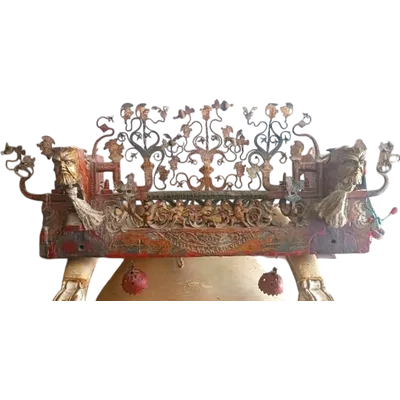
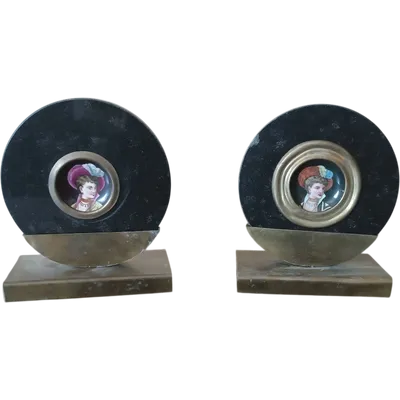
The term decorative antiques refers to a broad range of objects intended to complete, enrich, and define interior spaces over the centuries. Unlike structural furniture, these artefacts play a complementary yet essential role in shaping the character and aesthetic identity of domestic environments.
Decorative antiques include objects created for daily use, social representation, or spatial organisation. Autonomous works of art and artefacts conceived exclusively for exhibition purposes are generally excluded, as they belong to a distinct collecting field.
Lighting: from necessity to representation
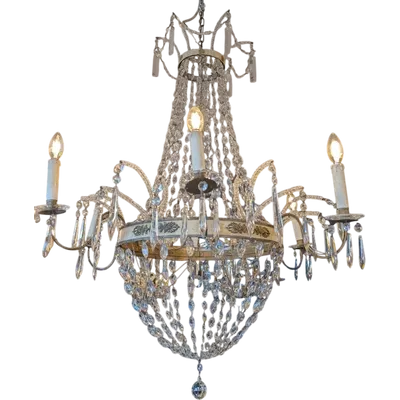
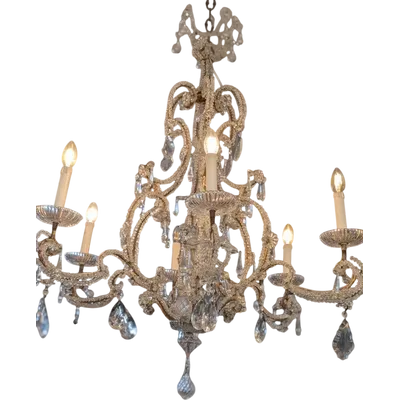
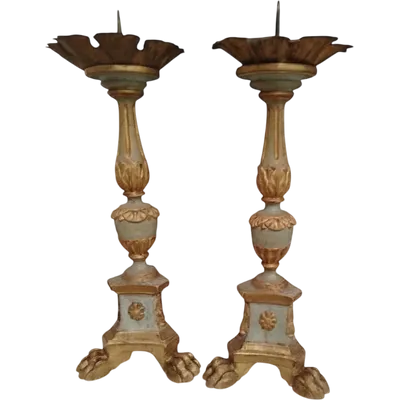
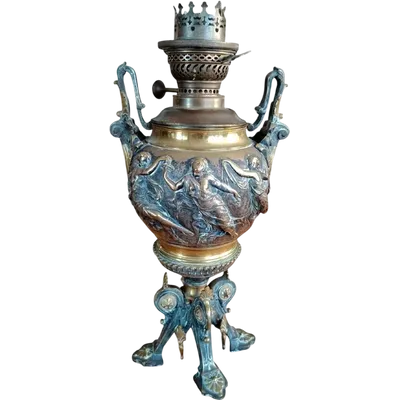
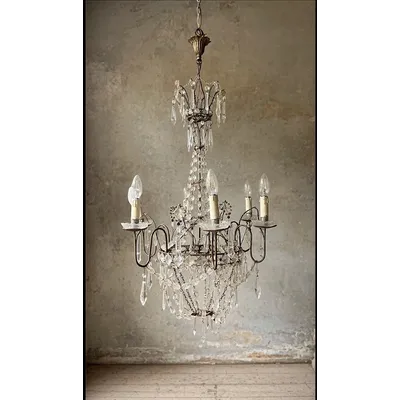
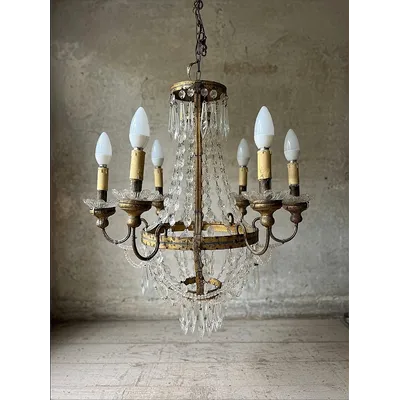
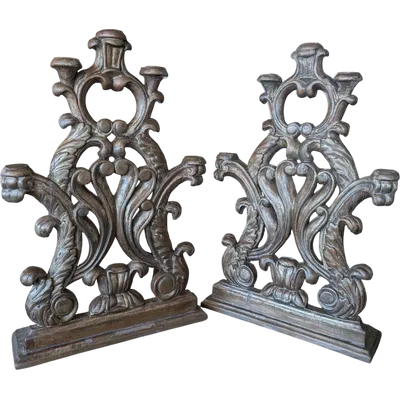
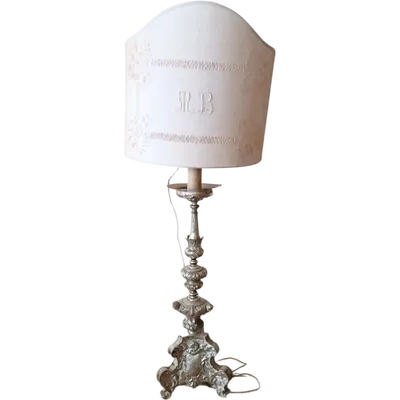
Antique lighting objects originated in response to specific functional needs related to artificial illumination before the widespread use of electricity. Candlesticks, candleholders, and torchères represent the earliest forms, initially simple and gradually becoming more elaborate.
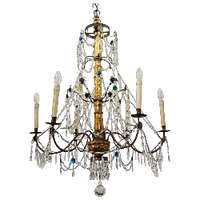
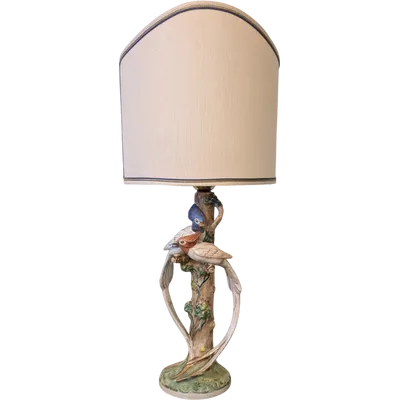
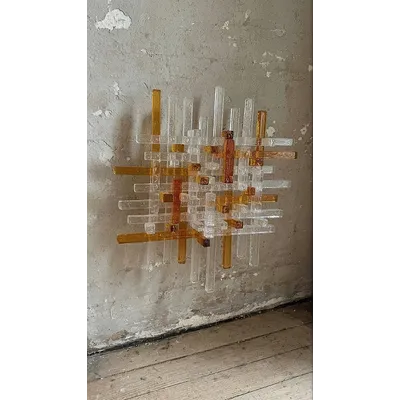
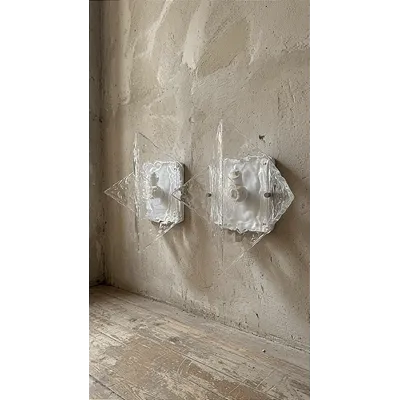
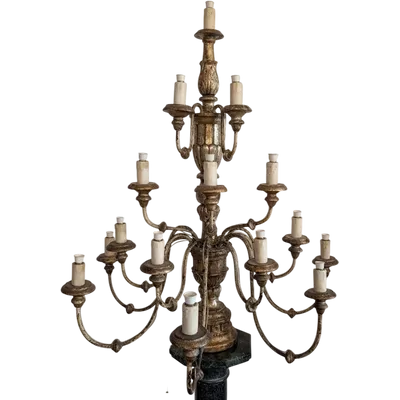
Between the 18th and 19th centuries, lighting assumed a central role in the visual representation of domestic interiors. Chandeliers, wall appliques, lanterns, and table lamps were produced in materials such as bronze, brass, glass, and crystal, often featuring complex workmanship and decoration consistent with the surrounding style. With the introduction of gas and electric lighting, many traditional forms were adapted to new technologies while retaining their original formal language.
Horology: time as a furnishing element
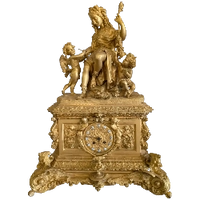
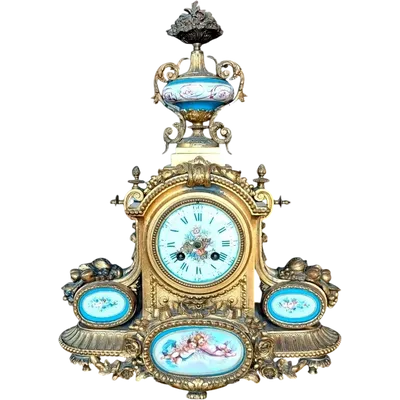
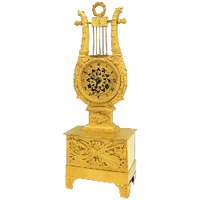
Antique horology represents one of the most significant areas within decorative antiques, combining mechanical precision, specialised craftsmanship, and symbolic meaning. Wall clocks, mantel clocks, and longcase clocks are not merely timekeeping instruments but central elements of domestic interiors, particularly between the 17th and 19th centuries.
Carillons and automata introduce a narrative and performative dimension, often associated with Central European production of high technical quality. Wooden cases, enamelled dials, and metal ornamentation reflect the taste of their period and allow for relatively precise chronological attribution.
Decorative objects: materials, technique, and use
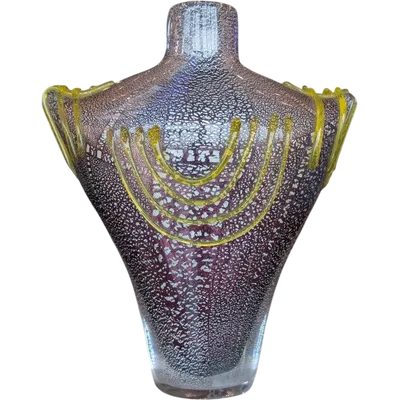
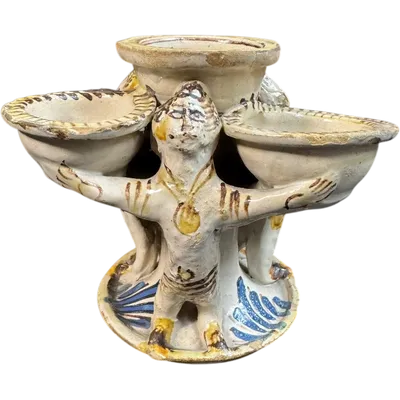
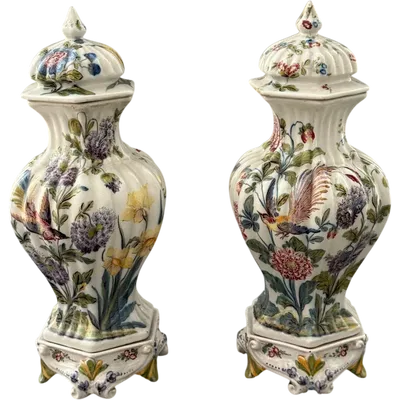
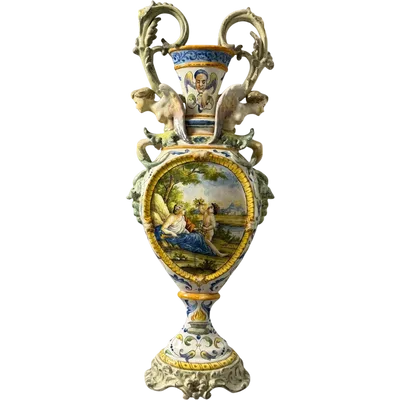
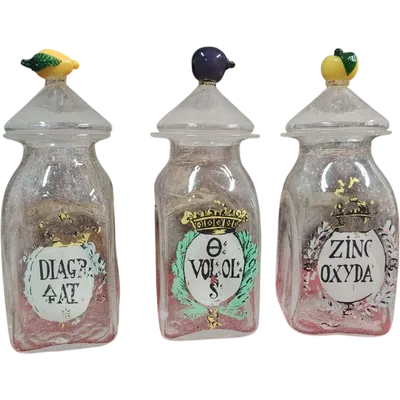
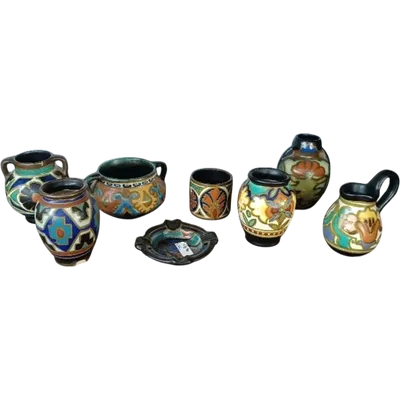
Decorative objects encompass a wide variety of artefacts characterised by diverse materials and manufacturing techniques. Ceramics, maiolica, and porcelain document production centres, regional traditions, and stylistic changes, while glass and crystal illustrate the evolution of blowing, engraving, and cutting techniques.
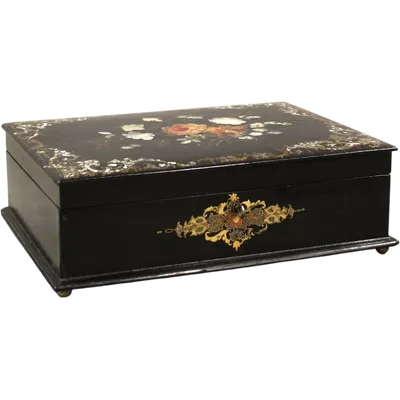
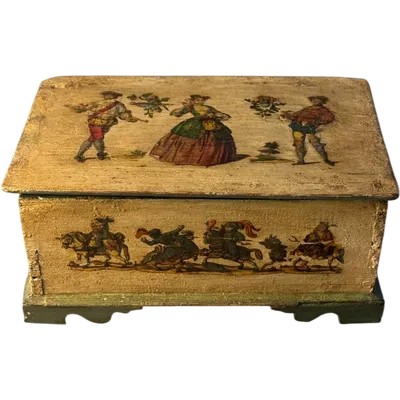
Silverware, table objects, inkwells, and writing accessories demonstrate how decoration was an integral part of everyday objects. Materials such as terracotta and hardstones, including jade, add further layers of interpretation related to geographic origin, symbolic meaning, and cultural context.
Furnishing accessories: completing the space
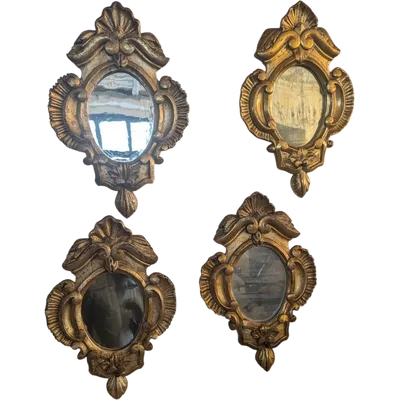
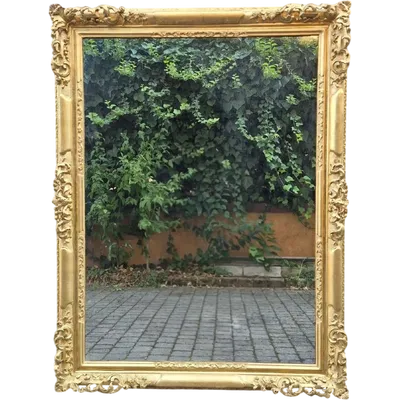
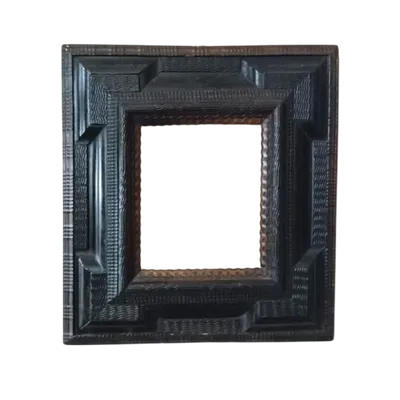
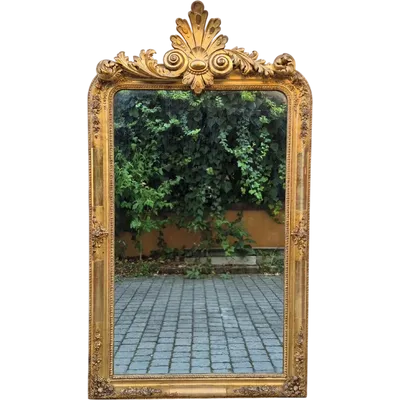
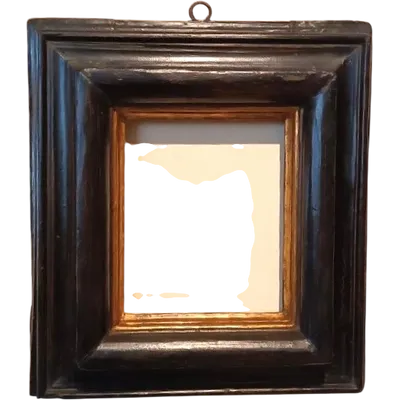
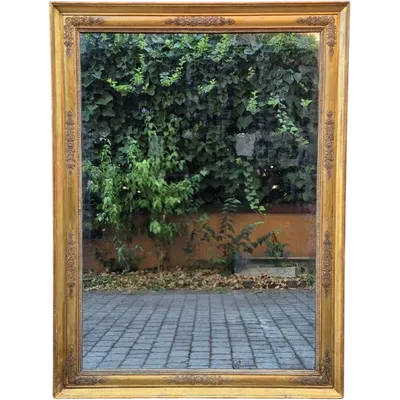
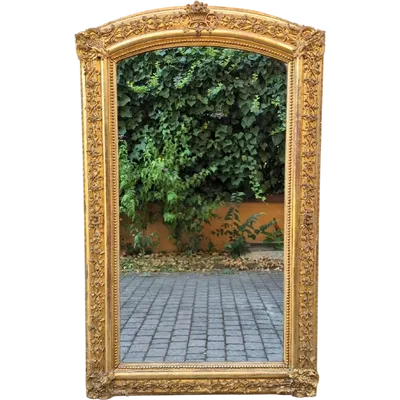
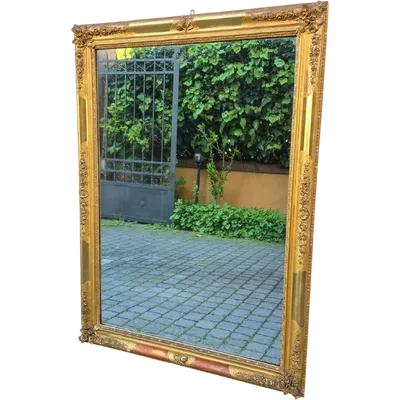
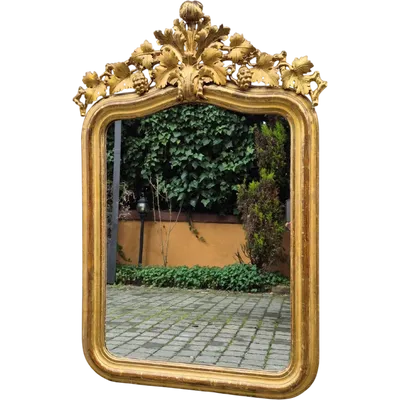
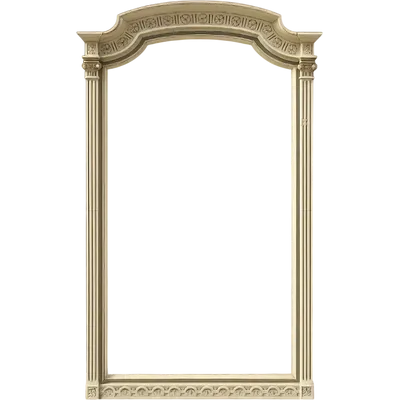
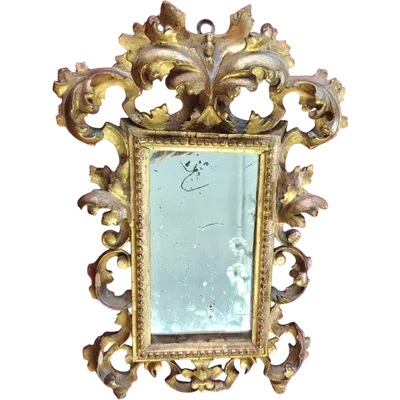
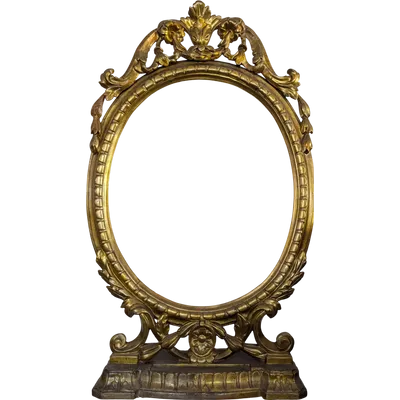
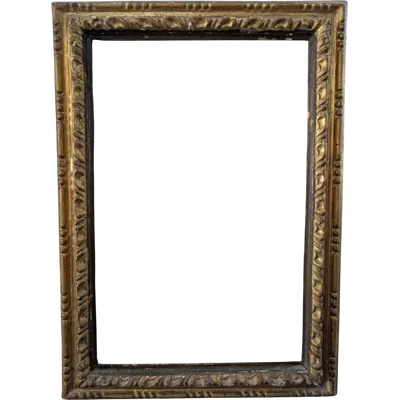
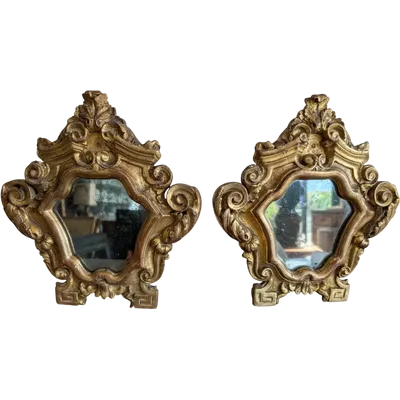
Alongside primary furniture, furnishing accessories serve to complete and organise interior spaces. Mirrors, frames, and decorative shelves contribute to the visual definition of rooms, enhancing light and articulating wall surfaces according to aesthetic and proportional principles.
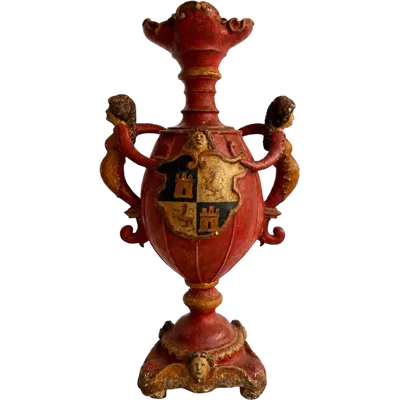
Textiles such as carpets and tapestries, as well as vases, bowls, and jardinières, introduce sculptural or textile elements, while fireplace accessories, umbrella stands, coat racks, and decorative columns respond to practical needs without sacrificing ornamental value. In these objects, the balance between function and decoration is particularly evident.
Reading and interpreting decorative antiques
Interpreting decorative antiques requires careful observation of materials, construction techniques, and stylistic features. Signs of handcraftsmanship, formal irregularities, and traces of use contribute to defining an object’s authenticity and historical context.
Taken as a whole, decorative antiques reveal how historical interiors were conceived as coherent systems, in which even secondary elements played a fundamental role in shaping the aesthetic and cultural identity of domestic space.
Frequently asked questions
What is meant by decorative antiques?
The term decorative antiques refers to decorative and functional objects produced mainly before the 20th century, intended to complement and define domestic interiors. These are artefacts that combine practical function, aesthetic value, and historical significance.
What is the difference between decorative antiques and antique furniture?
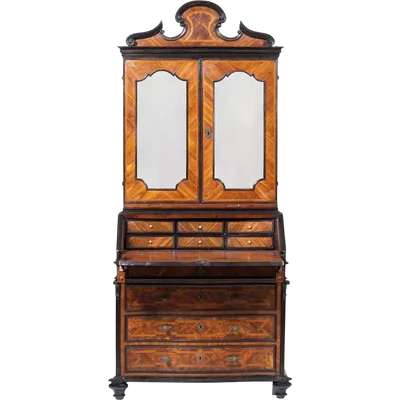
Antique furniture includes structural pieces such as wardrobes, tables, and seating, while decorative antiques consist of complementary objects and accessories intended for lighting, timekeeping, decoration, and spatial organisation.
Do decorative antique objects always have a function?
Many decorative antique objects were originally created with a practical function, but over time they also acquired an ornamental or symbolic role. In some cases, the original function becomes secondary to the object’s aesthetic and historical value.
Do signs of age reduce the value of decorative antiques?
No. A coherent patina, light wear, and signs of use are often considered elements of authenticity. Structural damage or invasive restoration that alters original materials and finishes is instead detrimental.
How are decorative antiques dated?
Dating is based on the combined analysis of materials, manufacturing techniques, decorative style, functional typology, and historical context. Each category follows specific attribution criteria.