




Antique Paintings
Read the guideSave search

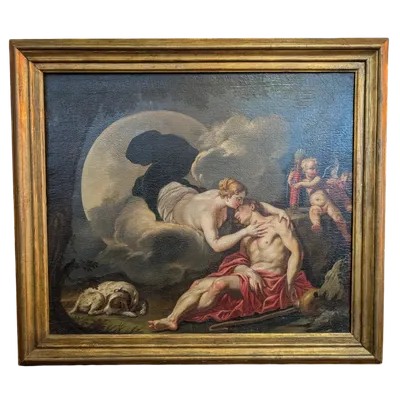
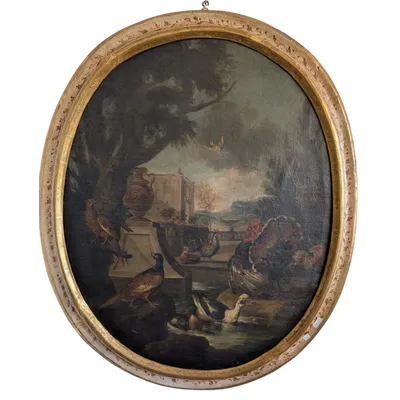
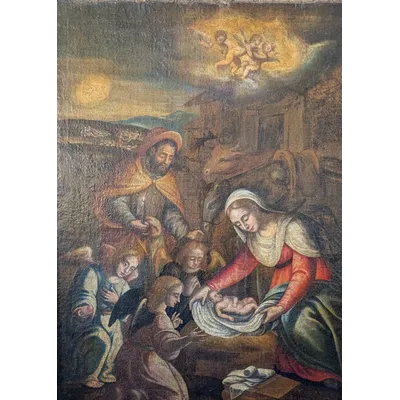
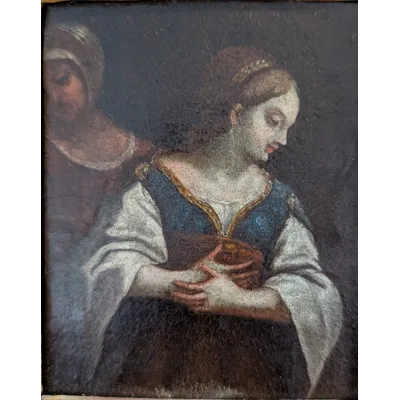
Antique Paintings
Origins and function of antique paintings
Antique paintings are among the most direct records of past taste, visual culture, and private life. Unlike many functional objects, a painting was usually created with a representative purpose: to celebrate a person, tell a sacred story, decorate a residence, capture a landscape, document a city, or create an image for devotion.
Within art, painting has a particular place because it brings together image and material. Canvas, panel, pigment, ground layer, and varnish are not secondary details: they are the physical structure through which the work has reached us. This is why a useful way to look at an antique painting is to move on two levels: first the image, meaning subject, composition, and pictorial quality; then the object, meaning support, surface, back, restoration, and traces of its history.
Compared with sculptures or other techniques, paintings are especially sensitive to light, humidity, tension, cleaning, and later retouching. Their condition is often the result of a long dialogue between the original work and the conservation choices made over time.
Main types of antique paintings
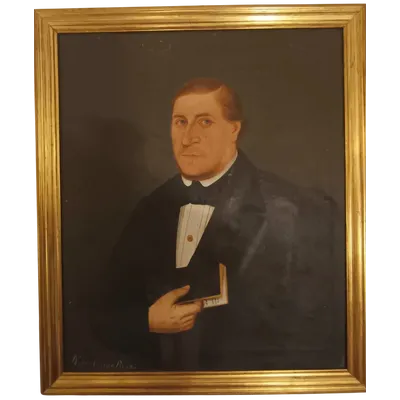
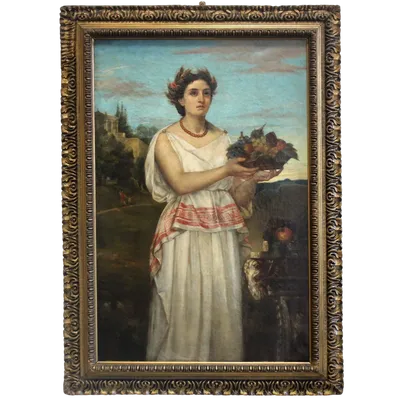
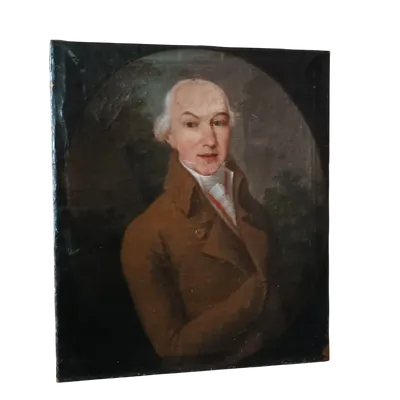
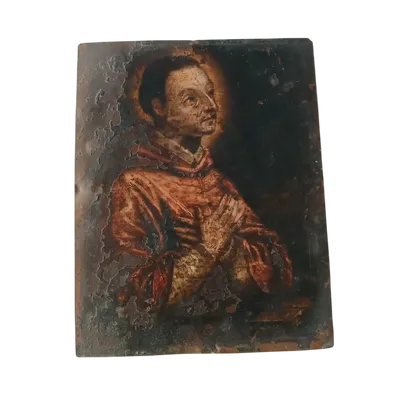
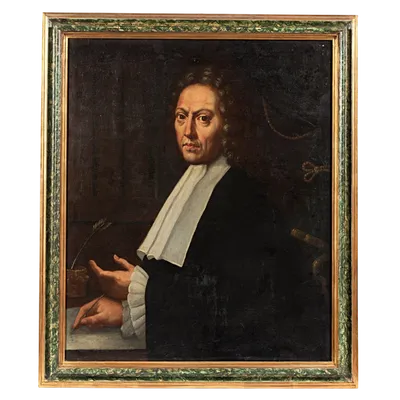
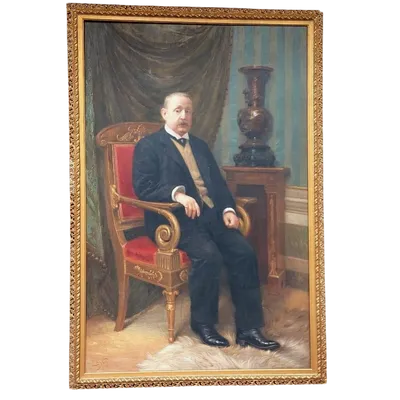
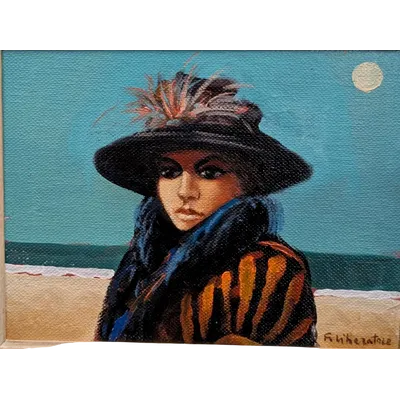
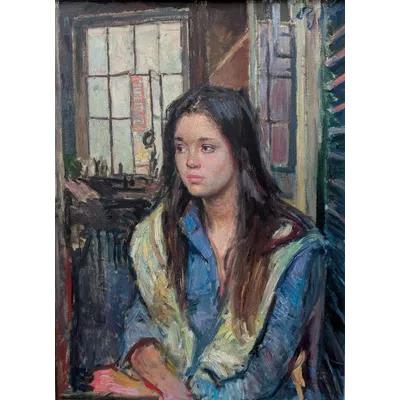
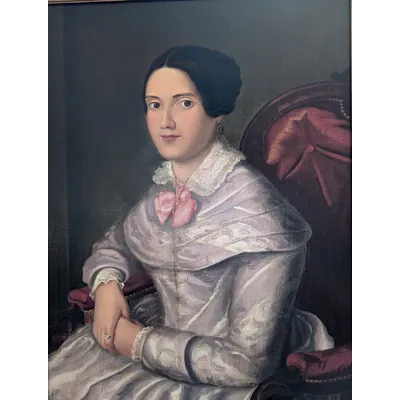
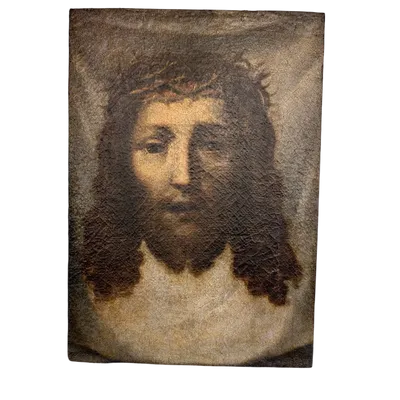
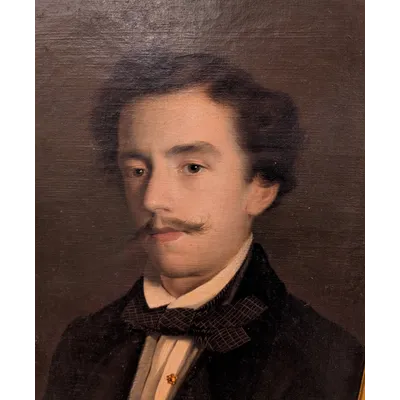
Among the most recognizable types are portraits, which reveal social status, fashion, psychology, and self-representation. A well-painted face is not assessed only by likeness, but also by the quality of the gaze, the rendering of the hands, clothing, accessories, and the relationship between figure and background.
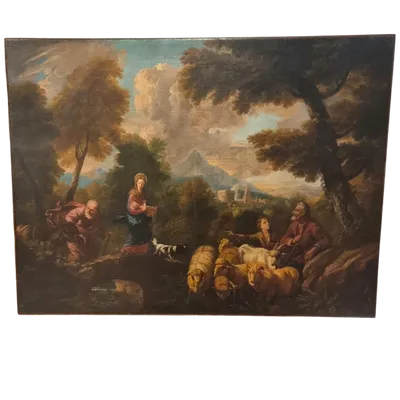
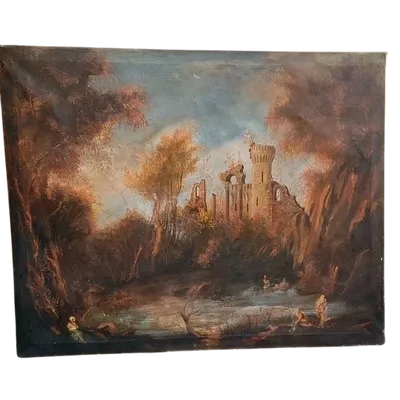
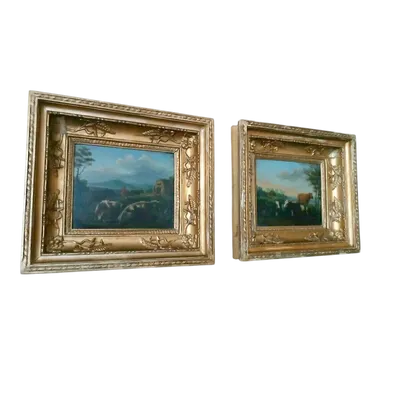
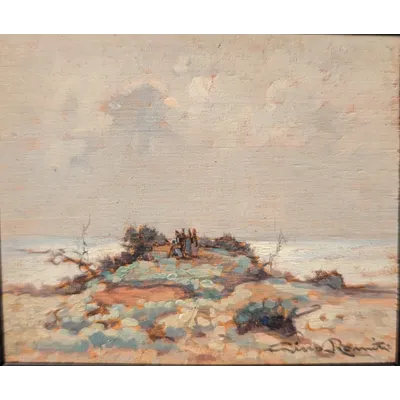
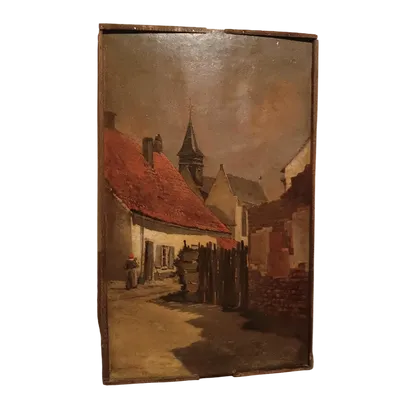
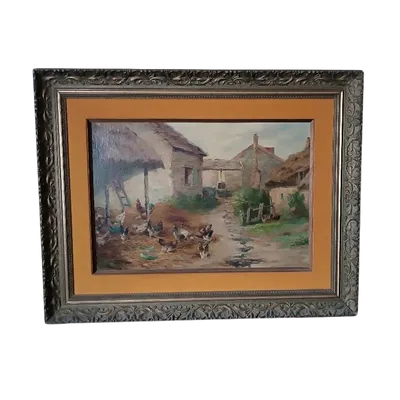
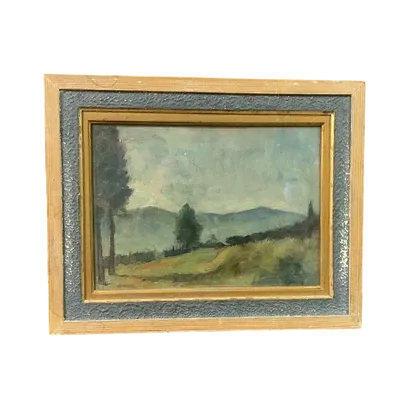
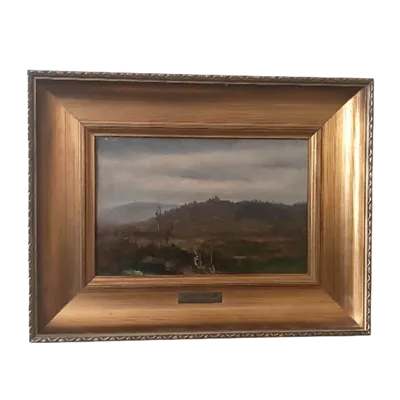
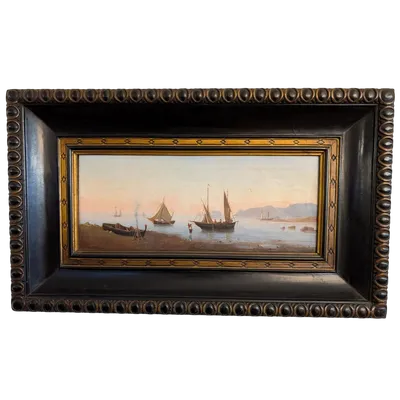
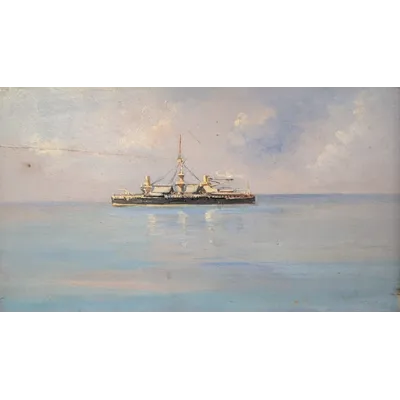
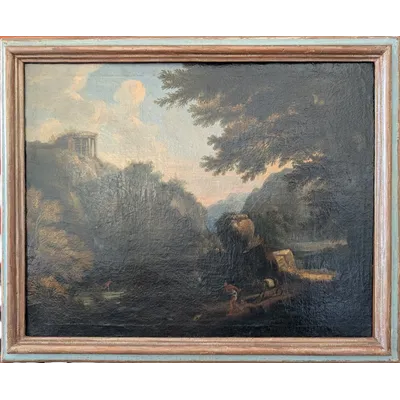
Landscapes gradually became independent subjects between the early modern period and the nineteenth century. At first they could appear as narrative backgrounds, but over time they acquired a dignity of their own. Marine paintings, by contrast, require attention to the rendering of water, ships, sky, and light: in strong examples, the sea is not simply a setting, but the real protagonist of the work.
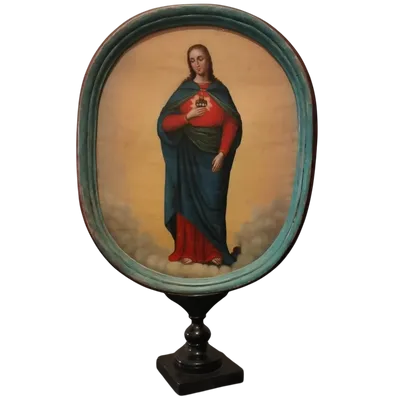
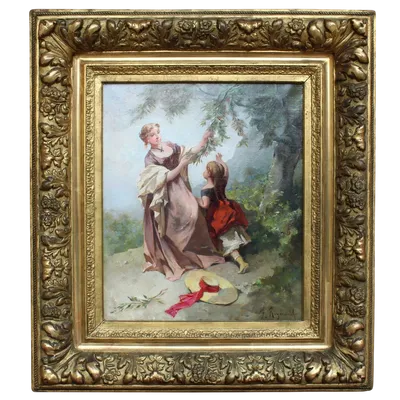
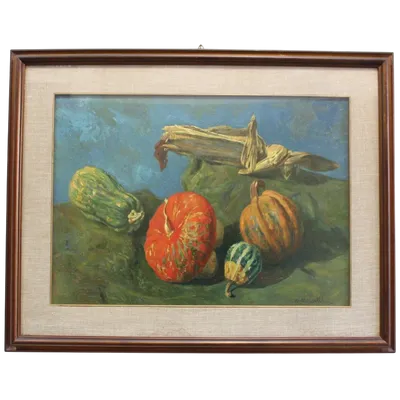
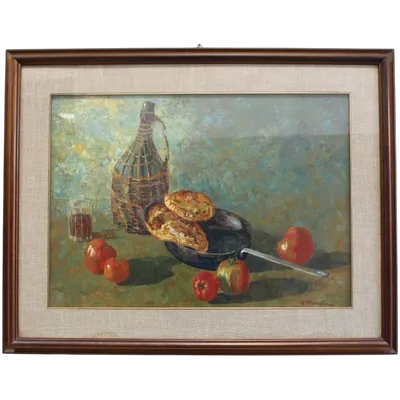
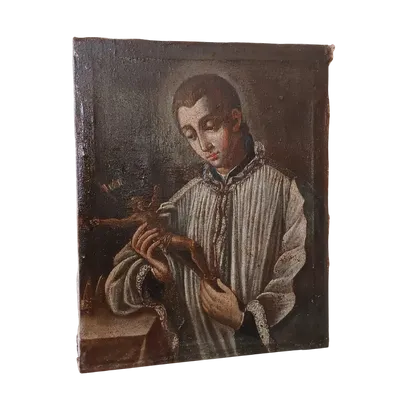
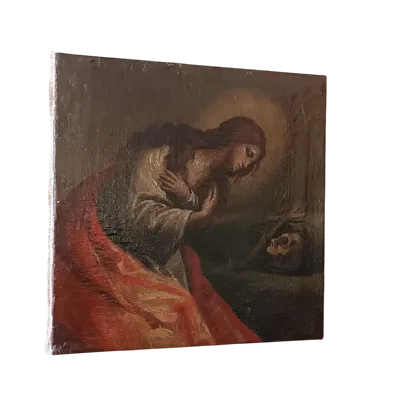
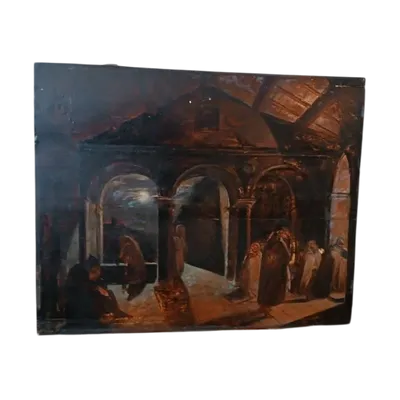
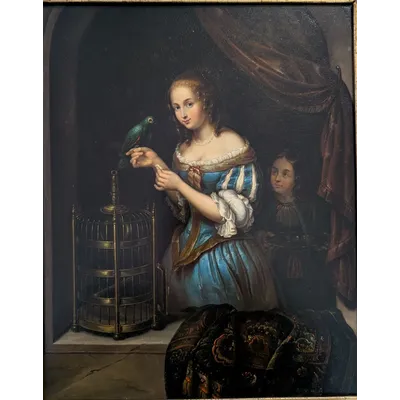
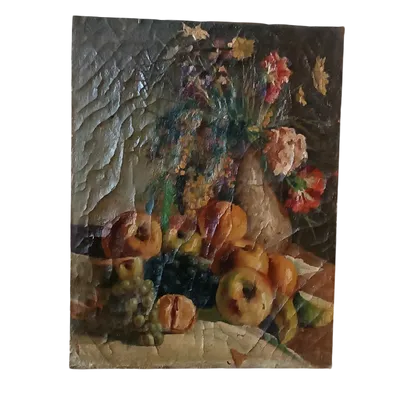
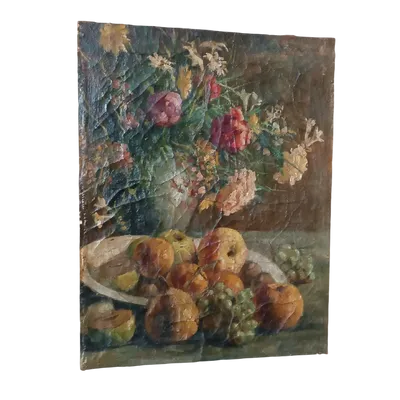
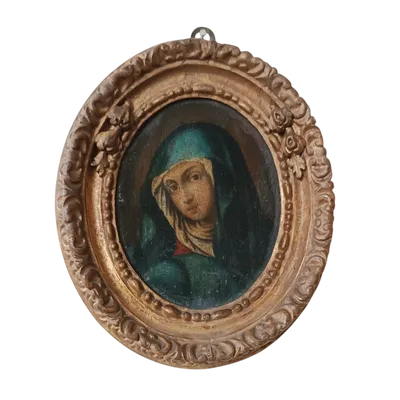
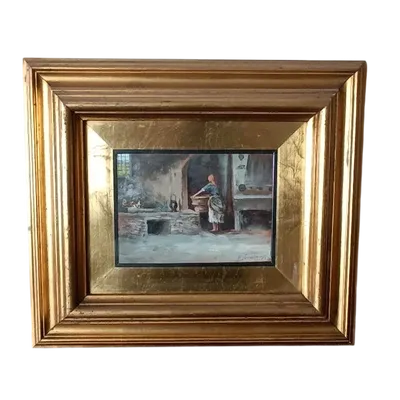
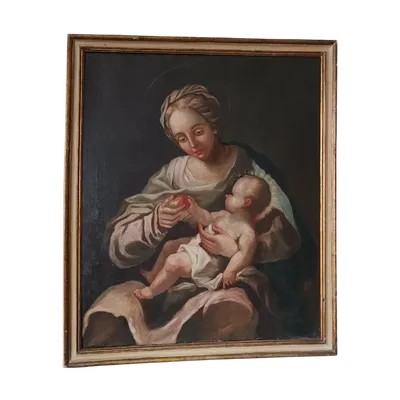
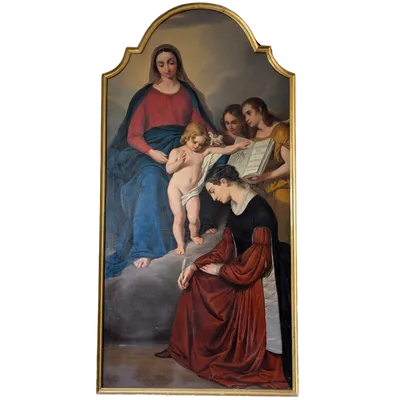
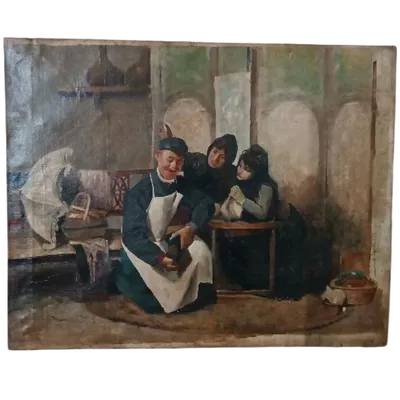
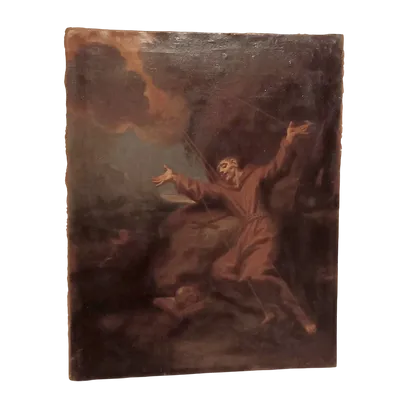
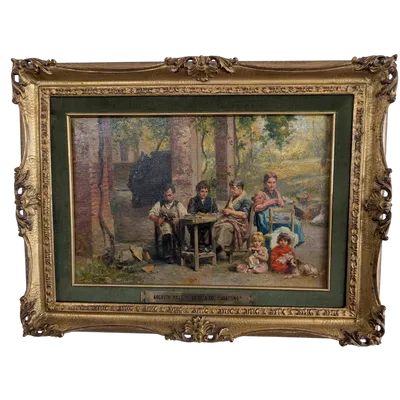
Still lifes are especially useful for observing technical skill and symbolic meaning. Fruit, flowers, musical instruments, silverware, books, or game can speak of abundance, transience, knowledge, or domestic prestige. Genre scenes instead depict episodes of everyday life: interiors, markets, taverns, household work, and family moments. In religious paintings and icons, it is important to distinguish between devotional works, liturgical images, and paintings intended for private spaces. Paintings of other genres often include less easily classified subjects, studies, allegories, sketches, or hybrid works.
Artistic movements, schools, and areas of development
The evolution of European painting does not follow a straight line. It is more like a conversation lasting centuries between workshops, courts, mercantile cities, academies, and collectors. From the Middle Ages to the 16th century, the Renaissance consolidated attention to perspective, anatomy, and compositional balance. In Italy, centers such as Tuscany, Rome, Venice, the wider Veneto, and Lombardy developed different languages: more drawing and structure in central Italy, more color and light in the Venetian environment, and more naturalism in certain Lombard experiences.
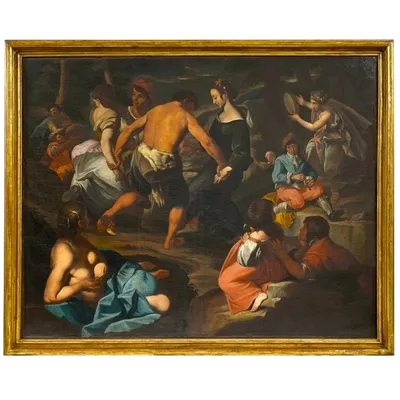
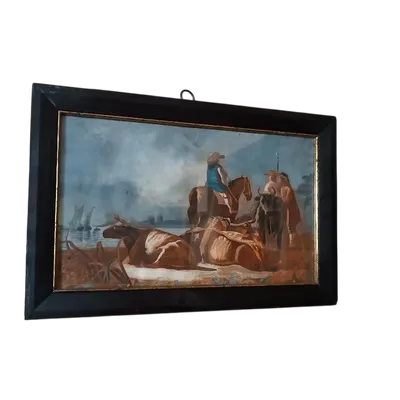
Between the late sixteenth century and the 17th century, Mannerism introduced elongated figures, complex poses, and intellectual solutions, while the Baroque sought emotional involvement, movement, and theatricality. During this period, Naples, Sicily, Genoa, and Piedmont absorbed and reworked different influences, often connected to religious, aristocratic, and mercantile patronage. In the Netherlands, interior scenes, landscapes, marine paintings, and still lifes reached extraordinary precision, with a taste closely tied to bourgeois collecting.
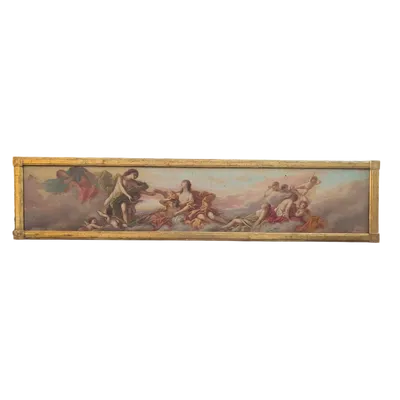
In the 18th century, view painting transformed cities and landscapes into ordered, luminous images, often intended for travelers on the Grand Tour. Venetian painting entered into dialogue with international taste, while in France the Rococo lightened forms and colors before a return to stricter order with the Louis XVI style and Neoclassicism. In England, portraiture and landscape became central, balancing social elegance with a new sensitivity to nature.
In the 19th century, Romanticism and Realism changed the relationship with the subject: history, ordinary people, labor, nature, and personal emotion became powerful pictorial themes. Empire and Consulate, French Restoration Charles X, Louis Philippe, and Napoleon III Second Empire were not only decorative frameworks: they also reflected different ways of understanding history, power, and representation. Impressionism, born in France, shifted attention toward light and immediate perception. In the same century, dialogue with Spain, Portugal, China, and Japan influenced European taste through collecting, travel, prints, and imported objects.
In the 20th century, the avant-gardes broke many traditional codes. Art Nouveau, Art Deco, Eclectic and Revival styles, Biedermeier, and Mid-century Modern belong to very different moments, but they help show how painting, interiors, graphic design, and domestic taste influenced one another.
Typical materials and surfaces
The most common supports are canvas, panel, copper, paper, and cardboard. Canvas became dominant because it is lighter, easier to transport, and suitable for large formats. Panel remained important in earlier works and in specific contexts. Copper, often used for small paintings of great refinement, allows smooth surfaces and minute detail. Paper and cardboard are more delicate and require greater attention to humidity, warping, oxidation, and later mounting.
The most widespread technique in antique paintings is oil, valued for its depth, glazes, and ability to model light and shadow. Tempera, detached fresco, gouache, watercolor, and mixed media behave differently: some remain matte and dry, while others are more transparent or vulnerable. The surface should be observed patiently. A very yellowed varnish can flatten colors, while aggressive cleaning may have weakened half-tones and made transitions too abrupt.
Subject, composition, and pictorial quality
The subject is the first point of entry into a work, but it should not be confused with quality. Two paintings may depict the same theme and have very different value. In portraits, the construction of the face, depth of the gaze, anatomy of the hands, naturalness of the pose, and quality of fabrics all matter. In landscapes, it is useful to observe atmospheric perspective, the relationship between sky and land, the rendering of light, and the credibility of space.
In still lifes, the difference between ordinary painting and quality painting is often found in the details: the skin of a fruit, a reflection on metal, a fading flower, or a barely perceptible glass. In religious scenes, it is important to recognize iconography, gestures, saints’ attributes, and the hierarchy of figures. A successful antique painting is not merely decorative: it organizes the viewer’s gaze, guides attention, and maintains balance between idea, material, and hand.
Attribution, school, workshop, and copy
Many antique paintings are unsigned. This does not automatically make them less interesting, but it does make attribution language more important. “By” indicates a full attribution; “attributed to” suggests a supported but not definitive proposal; “workshop of” points to a connection with the productive environment of a master; “school of” places the work within a geographical or stylistic tradition; “after” indicates a derivation from a known model.
An antique copy should be assessed differently from a modern reproduction. In the past, copying was part of artistic training and of the circulation of images. A seventeenth- or eighteenth-century copy after a famous master may have historical interest, pictorial quality, and collecting value, provided it is described correctly. The point is not to chase a major name at all costs, but to understand what the work truly is.
Painting techniques and details to observe
Accurate observation begins with light. Viewed frontally, the image can be read; under raking light, relief, fillings, lifting, cracks, and deformations become more visible. The edges are often revealing: they may show whether the canvas has been cut, lined, enlarged, or adapted to a different frame. The back tells another part of the story: stretcher, nails, labels, inscriptions, stamps, old linings, and deposits can help reconstruct collecting history and restoration.
Brushwork should be read in relation to subject and period. A face often requires more controlled transitions; a sky or a garment may show freer handling. Areas that are too flat, stiff outlines, or details that do not relate to the rest of the painting may indicate overpainting. A signature should also be assessed materially: it should belong to the same physical history as the painting, not appear to sit on top of an already aged surface.
Patina, wear, and typical restorations
The patina of an antique painting is not simply dirt. It is the set of transformations that the surface, varnish, pigments, and support undergo over time. It may include yellowed varnish, small abrasions, paint-layer settlement, oxidation, and changes in transparency. What matters is coherence: patina and craquelure must be compatible with the age, technique, and support of the work.
Natural craquelure results from physical movement: drying of paint layers, climatic changes, canvas tension, and panel movement. On panel, it behaves differently than on canvas; on copper, differently again. A cracking pattern that is too uniform, mechanical, or inconsistent with the material may be suspicious, as can a surface artificially darkened to simulate age.
The most common restorations include cleaning, consolidation, filling of losses, pictorial retouching, varnishing, lining, and stretcher replacement. A well-executed restoration should not be alarming: many antique paintings have survived precisely because of conservation work. It becomes problematic when restoration is invasive, undisclosed, or alters important parts of the image, such as faces, hands, inscriptions, or essential iconographic details.
Choosing an antique painting for a contemporary interior
An antique painting works well in a contemporary interior when it is not treated as an isolated object, but as a visual presence with weight, color, and rhythm. Dimensions should relate to the wall: a small copper painting or panel can have great intensity in an intimate space, while a large canvas needs distance and breathing room.
The subject has a strong effect on the overall atmosphere. A portrait introduces a powerful human presence; a landscape opens up the space; a still life creates a more intimate note; a religious scene requires more attention to context. The frame also matters, but it does not need to be sumptuous. What matters is that proportion, period, and color tone do not overpower the painting. In very minimal interiors, an antique painting with a lived surface can create balance precisely because it brings material depth rather than excessive decoration.
Authenticity and value
The value of an antique painting comes from the meeting of pictorial quality, period, artist or attribution, subject, size, condition, provenance, and legibility. An anonymous but well-painted, well-preserved work that is representative of a school may be more interesting than a painting with an ambitious but weak attribution. Likewise, a rare or especially successful subject can strongly affect value.
Authenticity is not established through a single clue. Signature, canvas, stretcher, pigments, craquelure, style, and documentation must tell a compatible story. Certificates, expert opinions, old labels, auction history, and known provenance are useful elements, but they should always be read together with the object itself. The strongest criterion is overall coherence: when image, material, and conservation history move in the same direction, the painting becomes more understandable, more credible, and easier to assess.
Frequently asked questions
How can you tell whether an antique painting is on canvas or on panel?
Canvas usually shows a visible weave, especially on the back or where paint has lifted; a panel shows wood grain, joins, and movements typical of timber.
What is the difference between oil on canvas and tempera on panel?
Oil allows for glazes, depth, and softer transitions; tempera has a drier, more compact and luminous surface, often associated with earlier works.
Does craquelure always mean that a painting is old?
No. Craquelure must be consistent with the age, support, and technique of the painting; if it is too uniform or inconsistent with the paint layer, it may be artificial or related to restoration.
How can you recognize restoration on an antique painting?
Look for tonal differences, smoother or glossier areas, fillings, and retouching, especially under raking light. The back may also reveal lining, stretcher replacement, or older interventions.
Is a signature enough to attribute a painting to an artist?
No. A signature must be consistent with the style, materials, period, and history of the work; on its own, it does not prove authenticity or attribution.
What does “school of” mean in the description of a painting?
It indicates a work connected to an artistic, geographical, or stylistic environment close to a master, without being securely attributed to that artist’s own hand.
Which parts of a painting should be checked before purchase?
It is useful to examine the painted surface, edges, back, stretcher, labels, signature, restored areas, and the consistency between subject, technique, and period.
Does a lined painting lose value?
Not necessarily. Lining can be a correct conservation treatment; what matters is whether it was well executed and whether it altered the painted surface.
How can you distinguish an antique copy from a modern reproduction?
An antique copy usually shows materials, support, craquelure, and painting methods consistent with its period. A modern reproduction often has a surface, pigments, or ageing pattern that is less coherent.
Which elements have the strongest impact on the value of an antique painting?
Quality, attribution, period, subject, condition, provenance, and material consistency all matter. No single element should be assessed in isolation.